Are electric buses feasible in Africa? Here’s what the data says
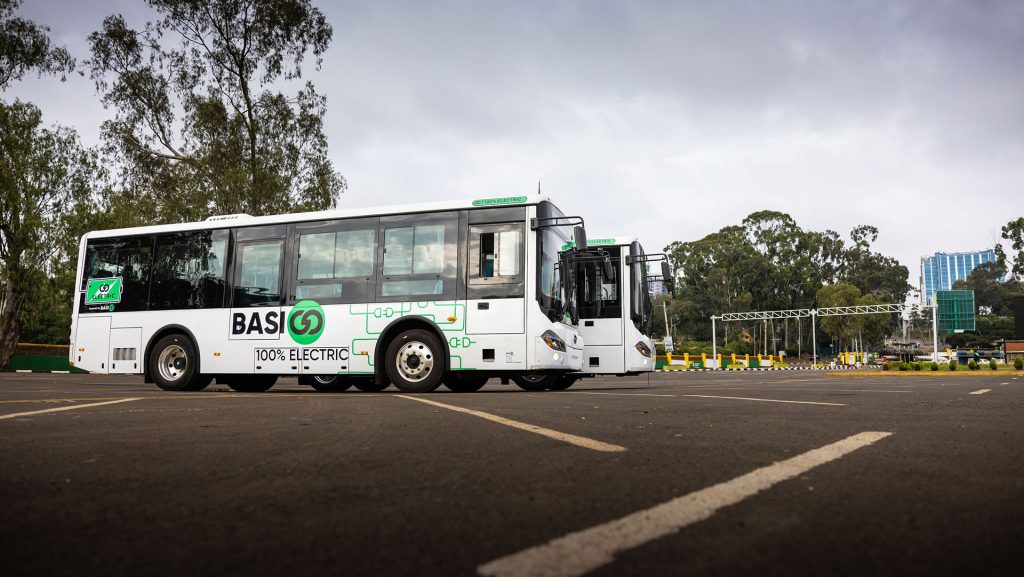
There is a focused push for the use of green and sustainable forms of energy in all verticals. Be it industry, transport, recreation, green and sustainable energy is top of mind to keep the global carbon footprint at bay. A carbon footprint that is tied to the recent extreme weather phenomena that have been plaguing parts of the planet, especially in the last decade. Looking at the mobility sector, electrification is the direction the industry is moving towards. In this report, we will observe whether or not electric buses in Africa are feasible.
The present situation
Africa's public transport fleet is comprised predominantly of diesel-powered buses and minivans with supporting infrastructure for these types of vehicles. These same vehicles are used for innercity and intercity commutes. Africa has the third-highest concentration of atmospheric CO2 behind the Mediterranean and Southeast Asia at 97.4 μg/m3, a figure that is higher than the global average of 82.3 μg/m3.

According to the United Nations Environmental Program (UNEP), 5 African countries have running Electic Bus programs which include Cote d’Ivoire, Senegal, Seychelles, South Africa, and Tanzania. That said, the electric bus fleet in the region still sits at less than 0.01% as per the 2020 report by International Council on Clean Transportation.
Technical Realities of Electric Buses vs. Diesel Buses
Range
Diesel engine technology has had a very long time to mature and as a result, diesel engines are now more efficient (can do more work with the same amount of fuel). A Golden Dragon 12m long diesel-powered bus with a 150L fuel tank has a range of 600 km. The time taken to refuel is up to 5 minutes from empty to full.
Tagged: Electric buses, Electric Mobility, Electric Mobility Zimbabwe, Mobility for Africa, Sustainability Africa, ZUPCO