Why African farming needs more hardware than software
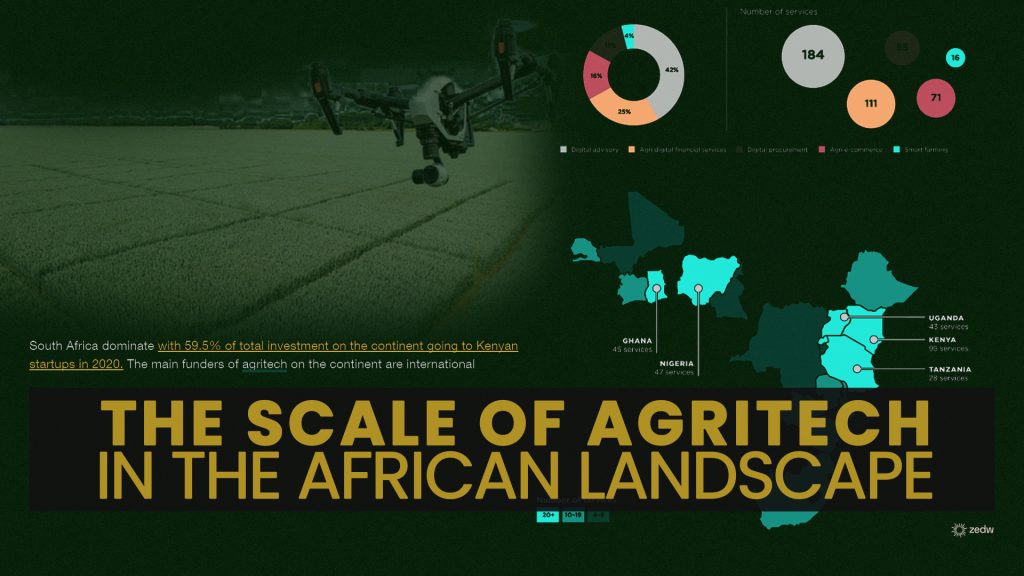
Africa has potential to become a global leader across various industries as the continent is blessed with an abundance of natural resources and human capital. Agriculture production is essential to the eradication of poverty and economic prosperity with 51.76% of the Sub-Saharan African population living in rural and communal farming areas. Agriculture contributes to 30%-60% of the continent’s GDP, 30% of total continental exports and employs 2 thirds of the continent as reported by The Exchange Africa.
According to the African Development Bank, Africa's food and agriculture market could increase from US$280 billion a year in 2023 to US$1 trillion by 2030. As farming methods improve across the continent with advanced technologies and mechanization, the question of which method best suits the African agricultural landscape arises. This article will provide a backdrop of agritech and mechanization in Southern Africa providing details on the startups involved, how they are funded ,and impact of mechanization on food production.
Background of Agritech
Tech Target defines agritech as the application of technology and digital tools to farming. It encompasses a wide range of technologies including automation, biotechnology, information monitoring and data analysis. Some of the advantages of implementing agritech are that it improves efficiency, increases yields, reduces costs, and boosts sustainability.
Although agritech has been adopted in some parts of Southern Africa there have been limitations to it being adopted by the mass market due to limited access to infrastructure, lack of digital literacy in communal areas and affordability as a barrier to entry.
Tagged: Agriculture, AgriTech